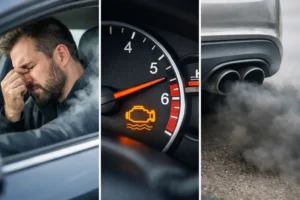
If your dashboard is showing an AdBlue warning, a no-start countdown, or an emissions fault, the first question is usually the same – what is the AdBlue system reset cost, and can it get the vehicle back to normal without a huge bill? Fair question. The trouble is, a reset is sometimes a quick finishing step after a repair, and sometimes it is being asked to cover up a fault that has not actually been fixed.
That is where people get caught out. One garage quotes a small fee to reset the system. Another recommends sensors, injectors, tanks or control units at four-figure money. Both can sound believable if you are stuck with a van that might not restart in 150 miles.
What does an AdBlue system reset actually do?
An AdBlue system reset is not a repair in itself. In most cases, it is a diagnostic function carried out with specialist equipment to clear learned values, reset warning counters, reinitialise the SCR system, or confirm to the vehicle that a fault has been rectified.
On some vehicles, the reset is needed after replacing a failed NOx sensor, AdBlue injector, pump, heater or tank component. On others, the system may need a guided routine to clear a countdown or allow the ECU to recognise correct pressure and dosing again. Without that reset procedure, the warning can stay on even after parts have been fitted.
The important bit is this: if the underlying fault is still present, the warning usually comes back. That is why a reset on its own can be cheap but still poor value.
AdBlue system reset cost – the normal price range
In the UK, the AdBlue system reset cost on its own is often somewhere between £50 and £150. That would usually apply where the fault has already been repaired, the vehicle simply needs the correct diagnostic routine, and access is straightforward.
If proper fault finding is needed first, the total cost is often higher because you are no longer paying just for a reset. You are paying for diagnosis, live data checks, fault code interpretation, and sometimes road testing or system tests. In real terms, many owners end up spending £90 to £250 before any parts are fitted, simply because the reset is only one small part of the job.
That price difference is where confusion starts. People search for the reset cost, but what they actually need is diagnosis plus a reset. Those are not the same thing.
Why prices vary so much
Vehicle make and model makes a big difference. A Mercedes Sprinter, Peugeot Boxer, Citroen Relay, Audi, Volkswagen, BMW or Land Rover may all use SCR systems, but they do not all behave in the same way. Some are fairly straightforward. Some are notorious for stored countdowns, poor-quality sensor readings, software issues, or faults that only clear after a specific guided test plan.
Access to the right diagnostic platform matters as well. A generic code reader might read an emissions fault, but it often cannot perform the actual SCR adaptation or reset routine properly. That is why one place may charge less but fail to sort it, while a specialist charges more and gets to the root of it.
When a reset is enough – and when it is not
Sometimes the reset really is the final step. For example, if a NOx sensor has already been replaced and the system is otherwise working correctly, a reset or relearn may be all that is needed to clear the warning and remove the restart countdown.
But there are plenty of cases where a reset will not hold. If the AdBlue injector is blocked, the pump cannot build pressure, the tank heater has failed, the fluid quality reading is implausible, or a NOx sensor is still reporting bad values, the ECU will simply detect the same problem again.
This is why cheap reset-only offers can be a false economy. If the warning light comes straight back, you have paid for a procedure without solving the cause.
Common faults that get mistaken for a reset issue
A lot of drivers are told they “just need a reset” when the vehicle actually has one of the usual SCR faults in the background. The most common are failed NOx sensors, crystallised AdBlue injectors, poor AdBlue pressure, heater circuit faults, wiring problems, and software issues within the SCR control strategy.
Low battery voltage can muddy the water too. Some vehicles throw a whole collection of emissions faults after repeated short trips, jump starts or weak battery conditions. Even then, a proper check is needed before anyone starts pressing reset buttons and hoping for the best.
What should be included in the price?
If you are being quoted an AdBlue system reset cost, ask what that actually covers. A proper job should usually include a full fault code scan, confirmation of the stored SCR or AdBlue faults, basic live data checks, and the correct reset or initialisation procedure for that vehicle.
If the vehicle has a no-start countdown, it is also worth asking whether the technician will confirm that the countdown has genuinely cleared and whether the system is dosing correctly afterwards. That matters more than simply deleting a warning code.
A low quote is not always a bargain if it only covers plugging in a generic scanner for five minutes. Equally, a high quote is not automatically a rip-off if it includes proper diagnosis and manufacturer-level routines.
Why some AdBlue faults turn into expensive repairs
The expensive stories usually happen when owners have already paid for one or two resets elsewhere, then end up needing proper diagnosis afterwards. By that stage, time has been lost and the fault may be worse.
A failed tank unit, damaged wiring loom, or repeated contamination issue can push costs well beyond the price of a reset. Certain vehicles also package multiple components into one tank assembly, which means a simple heater or level fault can become a much bigger parts bill. That is not ideal, but it is the reality with some diesel systems.
There is also a difference between fault memory and fault cause. Clearing stored codes might make the dash look better for a short while, but it does not change a sensor that is reading incorrectly or a pump that cannot maintain pressure.
How to avoid paying twice
The best way to keep costs sensible is to treat the warning properly at the first stage. If the vehicle is showing an emissions warning or restart countdown, ask for diagnosis of the SCR system, not just a reset. That means checking fault codes, freeze-frame data, pressure readings, dosing operation, NOx sensor values and, where relevant, software behaviour.
You also want someone who understands patterns across different makes. Some vehicles commonly fail sensors. Some suffer injector crystallisation. Some are known for software-related countdown problems after repairs. Real experience matters because it cuts down guesswork, and guesswork is what empties wallets.
For drivers who rely on a van for work, speed matters as much as price. A proper diagnosis may cost more than a quick reset, but if it prevents repeated downtime, towing, or unnecessary parts, it is often the cheaper route overall.
Is a mobile diagnostic visit worth it?
For many owners, yes. If the vehicle is in reduced power, close to a no-start condition, or awkward to get into a workshop, a mobile diesel specialist can make a lot of sense. The value is not just convenience. It is also about having the fault assessed where the vehicle is, without adding recovery costs or losing half a day in a waiting room.
That approach particularly suits tradespeople and van owners who cannot afford disruption. In Greater Manchester, that is often the difference between sorting a problem quickly and losing work while the vehicle sits in a queue at a general garage.
What to ask before agreeing to a reset
Before you approve the work, ask a few simple questions. Has the underlying fault been identified? Is the reset being done after a confirmed repair, or is it being used as the first attempt? Will the technician check live SCR data and confirm the countdown is actually gone? If parts are being recommended, what evidence supports that?
Straight answers tell you a lot. If someone cannot explain why the reset is needed, there is a fair chance they are guessing.
At Tech Tuning Northwest, this is exactly the sort of fault we see regularly – vehicles that have been told to have a reset, when the real issue is a NOx sensor, AdBlue pressure fault, injector problem or software-related SCR issue. The goal should always be to find the cause first, then carry out the reset properly if the system needs it.
The short version is that AdBlue system reset cost can be modest, but only when a reset is genuinely the right final step. If the fault has not been diagnosed, the cheapest option on paper can end up costing more. A good technician will tell you which one you are dealing with before you spend your money.