A DPF warning light does not automatically mean the filter itself has failed. On many diesel cars and vans, the issue is the small but vital component reporting how restricted the filter is. This DPF pressure sensor guide explains what that sensor does, how to spot a fault, and why fitting a new DPF before proper testing can be an expensive mistake.
The sensor is particularly relevant on vehicles that still drive reasonably well but show an engine warning light, enter reduced-power mode, or repeatedly request a regeneration. It is common on Volkswagen Group, BMW, Mercedes-Benz, Ford, Peugeot, Citroen, Vauxhall and Renault diesels, although the exact arrangement varies by engine.
What a DPF pressure sensor actually does
The diesel particulate filter captures soot from the exhaust. As soot builds up, exhaust flow through the filter becomes more restricted. To work out how loaded the DPF is, the engine control unit needs more than an estimated mileage figure. It needs a pressure reading.
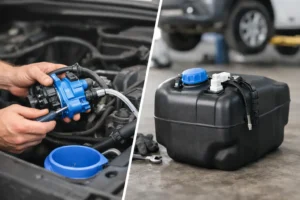
A DPF differential pressure sensor measures the difference in exhaust pressure before and after the filter. Two small pipes run from the exhaust to the sensor. When the DPF is flowing freely, the pressure difference is low. As soot loading rises, the difference increases. The ECU uses this information to calculate soot load, decide when to carry out an active regeneration, and check whether that regeneration has worked.
That makes the sensor a key part of the whole DPF system. If it reports a pressure that is too high, too low or implausible, the ECU can make the wrong decision. It may stop regenerations, attempt them too often, log a fault code, or put the vehicle into limp mode to protect the engine and exhaust system.
DPF pressure sensor symptoms
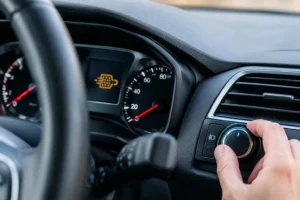
Symptoms depend on the vehicle and the fault, but there are several patterns we see regularly. A DPF or engine management warning light is the obvious one. Some vehicles display a message telling you to continue driving for regeneration, while others simply lose power with no useful explanation on the dashboard.
You may also notice increased fuel use, higher idle speed, cooling fans running after a journey, a hot smell from the exhaust area, or a vehicle that starts a regeneration but never appears to complete it. On a working van, this can quickly become disruptive: reduced power under load, poor response when joining a motorway, and more time off the road than the initial warning light suggested.
A failed sensor can imitate a blocked DPF, but so can split or blocked pressure pipes. Those pipes live in a harsh environment, exposed to heat, soot and moisture. A pipe blocked with soot may make the sensor appear to read low. A cracked, disconnected or melted pipe can create an implausible reading. Replacing the sensor without inspecting the pipes is not proper diagnosis.
Fault codes linked to the sensor and DPF
Fault codes give a useful starting point, not a guaranteed answer. Common codes include P2452 for a DPF pressure sensor circuit problem and P2453 for a pressure sensor range or performance issue. Depending on the manufacturer, you may also see codes for signal too high, signal too low, hose faults or correlation faults.
Codes such as P2463, often described as excessive soot accumulation, can appear when the DPF is genuinely restricted. But they can also follow a faulty pressure reading, failed regeneration attempts, a thermostat that prevents the engine reaching temperature, an EGR fault, injector issues or excessive ash in an old filter. Clearing the code may temporarily turn the light off, but it does not repair the reason it returned.
The diagnostic data matters more than the wording of a generic code reader. A specialist should compare the sensor reading with the engine off, at idle and under controlled revs, then assess calculated soot load, ash load, exhaust temperatures, regeneration history and any related faults.
Why pressure sensor faults happen
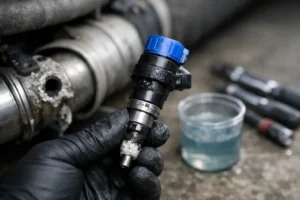
The sensor itself can fail internally through age, heat and contamination. Electrical faults are also possible, including damaged wiring, corroded connectors, poor earths and a missing reference voltage. These problems are not always visible from above the engine bay.
However, the most overlooked cause is the pipework. Soot can harden inside the hoses or metal take-off points. Condensation can also collect and affect the readings. On some engines, the pressure pipes are routed close to the exhaust and become brittle over time. A new sensor connected to blocked pipes will still produce misleading results.
There is another trade-off to understand. If testing confirms the pressure sensor is faulty and the DPF itself has a sensible pressure reading once the fault is corrected, a sensor and pipe repair may be all that is needed. If the filter has genuinely accumulated excessive soot or ash, correcting the sensor alone will not restore exhaust flow. The vehicle may require a controlled regeneration, professional DPF cleaning, or, in some cases, a replacement filter.
How a DPF pressure sensor should be diagnosed
A proper diagnosis is not just plugging in a scanner and fitting the part named by the code. The process should establish whether the ECU is receiving a believable signal and whether the exhaust has a genuine restriction.
First, fault codes and live data are read before anything is cleared. With the ignition on and engine off, differential pressure should normally be close to zero. A substantial reading at this point can indicate a biased sensor, blocked hose, wiring fault or incorrect sensor calibration.
Next, the sensor pipes and exhaust pressure take-off points should be checked for damage, soot blockage and leaks. The electrical connector and wiring should then be tested where required. On suitable systems, a technician can compare live readings against a known pressure source or test equipment rather than relying solely on the ECU display.
Finally, the wider DPF conditions must be assessed. The engine needs to reach operating temperature, exhaust temperature sensors must work correctly, and there must be enough fuel in the tank for regeneration on many vehicles. Active fault codes relating to EGR, boost control, injectors or AdBlue and SCR systems can also prevent a regeneration from completing.
Can you drive with a DPF pressure sensor fault?
You may be able to drive for a short period, but it is not a fault to ignore. The ECU is effectively being asked to manage the DPF with unreliable information. Continued use can lead to repeated failed regenerations, excessive soot loading, oil dilution on some engines, and eventually a vehicle that will not perform a regeneration at all.
Do not keep forcing motorway runs in the hope that the warning will clear if there is an engine management light or a stored pressure sensor code. A long drive helps only when the vehicle is otherwise healthy and the DPF system is requesting a normal regeneration. It cannot repair a failed sensor, blocked hose or electrical circuit.
Equally, avoid approving a DPF replacement based only on a dashboard warning and one fault code. A replacement filter is costly, and if the original cause was a sensor or a related engine fault, the new DPF can develop the same problem.
Repair, cleaning or replacement?
The right repair depends on test results. A failed sensor, damaged connector or blocked pressure pipe is normally a straightforward targeted repair, followed by correct fault clearing, adaptations where required, and a check of live data. If soot loading is high but the filter remains structurally sound, a controlled regeneration or professional off-car cleaning may be appropriate.
Ash is different from soot. Soot can be burned off during regeneration; ash is the non-combustible residue left over time and cannot be removed by simply driving harder. High ash loading, physical damage to the DPF, or a melted substrate can mean cleaning has limited value and replacement becomes the sensible option.
For drivers in Greater Manchester who need an answer without losing a day at a garage, Tech Tuning Northwest provides mobile diesel diagnostics focused on identifying the actual cause before recommending a repair. That approach matters when a sensor code, a blocked filter and a failed regeneration can all look similar from the driver’s seat.
The useful next step is simple: get the live readings, pipes, wiring and related faults checked before spending money on a DPF. A clear diagnosis usually turns a worrying warning light into a repair decision based on evidence, not guesswork.